
2026
Comparative environmental assessment of a new manufacturing technology using Life Cycle Assessment
At Baisma, we carried out a comparative environmental assessment of a new manufacturing technology for electric motor components for the automotive sector, applying the Life Cycle Assessment (LCA) methodology.
The study enabled Ederfil Becker to objectively and traceably quantify the environmental improvement associated with replacing the existing technology, considering both the carbon footprint and the full range of relevant environmental impacts throughout the life cycle.

Identified need
In Gipuzkoa, certain investments related to waste reduction, recycling and recovery may qualify for the tax deduction provided for under Article 65.1.f) of the Provincial Corporate Income Tax Regulation. Where the improvement is achieved through the replacement of equipment or facilities, the implementing regulations require evidence, through a Life Cycle Assessment in accordance with ISO 14040 and ISO 14044, of a reduction of at least 40% in the environmental or carbon footprint per functional unit compared with the technology being replaced.
Ederfil Becker invested in replacing an existing manufacturing technology with a new facility offering improved environmental performance. The study needed to establish a technically consistent comparison between the two alternatives, considering the impacts associated with materials, energy, consumption and other relevant inputs and outputs of the system, and to provide sufficiently traceable and verifiable documentation to demonstrate the environmental improvement achieved and support the corresponding technical justification report.
Client profile
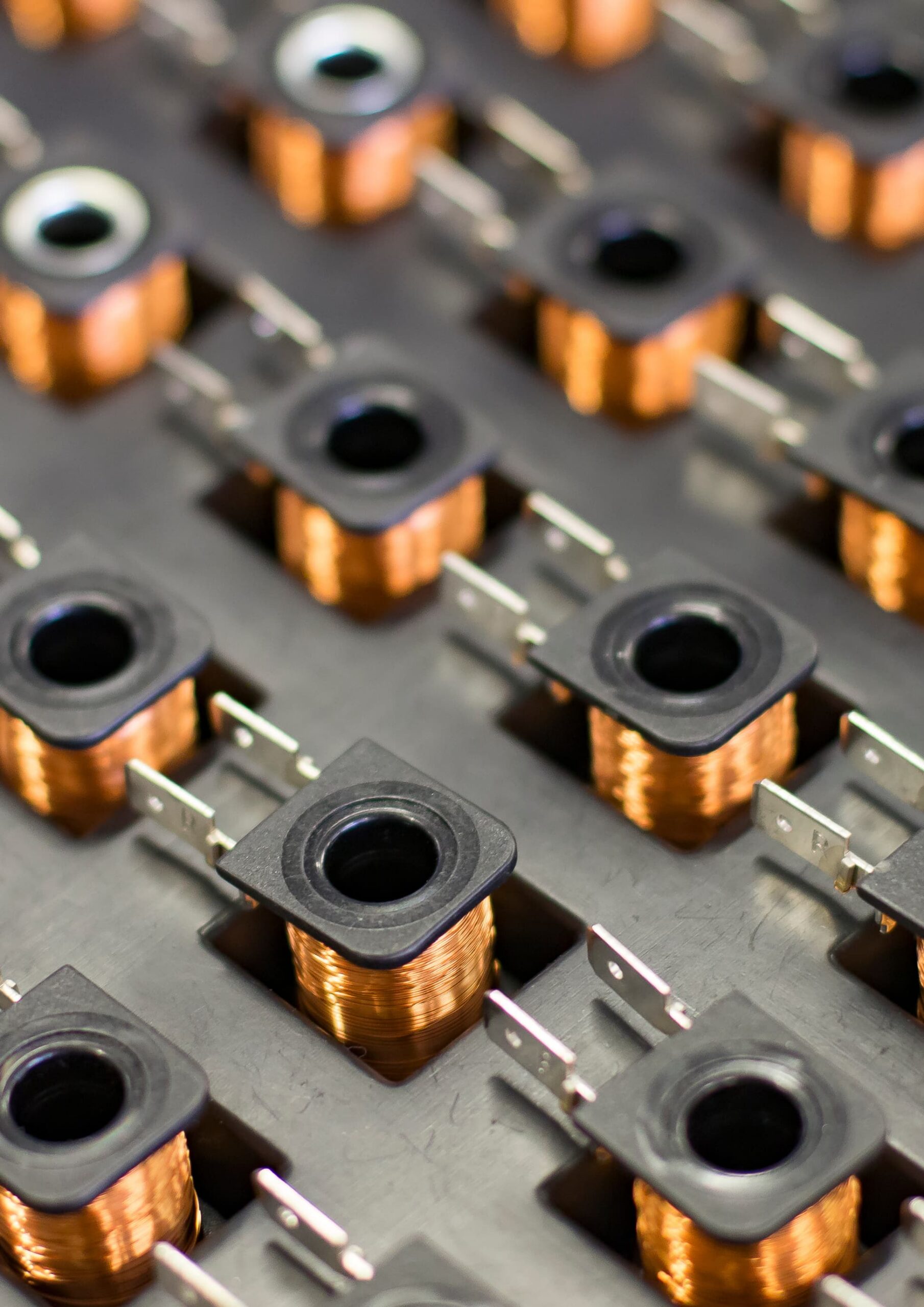
EDERFIL BECKER has been manufacturing round and rectangular enamelled copper and aluminium electrical conductors for more than 70 years, serving a range of sectors including automotive, energy, transformers, wind energy, industrial motors and electrical generators.
The company is part of Mondragon Corporation and is one of the leading manufacturers in its sector internationally, exporting more than 80% of its products worldwide.
Methodological approach and work process
We conducted a comparative Life Cycle Assessment study in accordance with UNE-EN ISO 14040 and ISO 14044. The work included defining the goal and scope, functional unit and system boundaries, as well as developing the life cycle inventories for the existing technology and the new facility based on representative operational data.
On this basis, the environmental impacts of both alternatives were assessed using an internationally recognised impact assessment methodology, analysing the results both in aggregate terms and broken down by life cycle stage.
The assessment included environmental indicators by impact category —including climate change and resource use— as well as an aggregated assessment through normalisation, weighting and calculation of a single score.
Finally, a technical justification report was prepared, providing traceable documentation of the methodology applied, information sources, assumptions, inventory, calculations, results and conclusions of the study.
Results and value generated
The project provided an environmental comparison between the two technologies in accordance with ISO 14040 and ISO 14044, identifying the main sources of impact and quantifying the reduction achieved with the new facility.
The results made it possible to:
- Quantify the environmental and carbon footprint per functional unit.
- Determine the reduction achieved for each impact category and for the aggregated result.
- Confirm compliance with the environmental reduction threshold established by the applicable regulations.
- Provide a traceable and documented technical basis to substantiate the environmental improvement associated with the investment.
In addition to meeting the justification requirement, the analysis provides useful information for understanding the main factors influencing the environmental performance of the production process and guiding future improvement decisions.
Not sure where to start?
Tell us about your case and we’ll help you find the solution that fits best.
