
2025 - 2026
Technical assistance in environmental sustainability assessment, communication and reporting
At Baisma, we supported Iberdrola in advancing its environmental assessment methodology from a life cycle perspective, developing new models and tools to expand the scope of its Organisational Environmental Footprint, incorporate the assessment of biodiversity and natural capital, and facilitate alignment with new sustainability reporting requirements.

Identified need
The evolution of sustainability reporting requirements calls for methodologies capable of integrating information from different businesses, technologies and environmental areas in a consistent and traceable manner.
In this context, Iberdrola sought to move towards a more systematic environmental assessment and reporting model, capable of incorporating new technologies and products into its Organisational Environmental Footprint while also extending the life cycle perspective to areas such as biodiversity and natural capital.
The project also needed to facilitate the connection between these environmental assessments and the new reporting standards associated with the CSRD (Corporate Sustainability Reporting Directive), helping ensure that the information generated could be scaled up and reused globally.
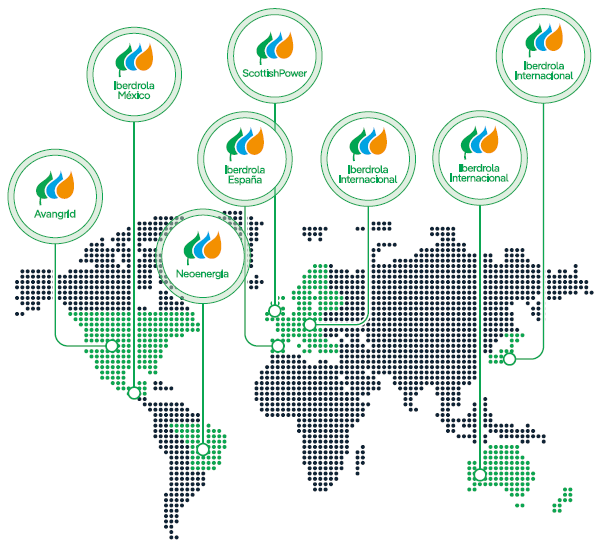
Client profile
Methodological approach and work process
The project combined methodological research, environmental modelling and tool development to advance two complementary areas of work.
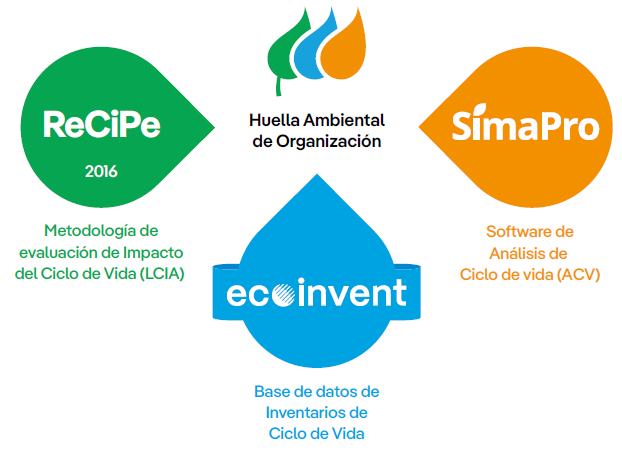
On the one hand, work focused on expanding the Organisational Environmental Footprint by incorporating new businesses and technologies (mainly wind, solar and electricity networks) through the technical analysis of facilities and the development of specific Life Cycle Inventories (LCIs). Based on this information, interconnected databases, regression models and other calculation models were developed to generate systematic and scalable environmental profiles.
In parallel, new approaches were researched and developed to incorporate impacts on biodiversity and natural capital into life cycle-based assessments. This involved analysing methodologies and metrics capable of complementing traditional Environmental Footprint indicators.
Results and value generated
The project helped consolidate a broader and more structured methodological basis for the organisation’s environmental assessment, facilitating the incorporation of new businesses and technologies into the Environmental Footprint through reproducible and scalable models.
It also supported progress in integrating biodiversity and natural capital into environmental assessment systems, expanding analytical capabilities beyond the indicators traditionally considered in life cycle studies.
Connecting these developments with sustainability reporting requirements also helped strengthen the traceability and optimisation of environmental information, laying the foundations for more consistent, systematic corporate reporting aligned with new regulatory requirements.
Not sure where to start?
Tell us about your case and we’ll help you find the solution that fits best.
