
2025
Double materiality analysis and systematisation of CSRD pollution reporting for BEdC companies
We conducted a double materiality assessment and worked on standardising air emissions reporting in accordance with the requirements of ESRS E2 – Pollution, within the framework of the CSRD, for companies participating in the Basque Ecodesign Center.
The work was carried out through collaborative working groups and individual support sessions and was complemented by the development of the Zero Pollution chapter of the Strategic Environmental Monitoring Report on the Circular Economy: 10 Key Issues for 2026.

Identified need
The growing development of environmental and sustainability regulations poses new challenges for organisations, both for those subject to reporting obligations and those seeking to make voluntary progress and position themselves as leaders in their sector. In this context, the Corporate Sustainability Reporting Directive (CSRD) establishes specific disclosure requirements that require organisations to structure and systematise their environmental information. These areas include air pollution, for which companies need consistent, traceable information adapted to the applicable reporting requirements.
Client profile
Ihobe is the Public Environmental Management Company of the Basque Government, working to improve the environment by integrating environmental criteria into public policies. It works with businesses, public administrations and citizens, drawing on innovation, digitalisation, advanced project management and cooperation as key drivers.
Methodological approach and work process
At Baisma, we supported companies participating in the Basque Ecodesign Center in standardising their air emissions reporting in accordance with the requirements of ESRS E2 – Pollution, within the framework of the CSRD.
Through collaborative working groups and individual support sessions, we developed solutions tailored to the needs of each organisation. Building on double materiality assessments and initial reviews, we helped identify the information to be reported, structure the data and define the formats required for integration into internal reporting processes.
In parallel, we developed the Zero Pollution chapter of the Strategic Environmental Monitoring Report on the Circular Economy: 10 Key Issues for 2026, analysing and summarising the main developments related to pollution and their implications for organisations in the Basque industrial sector.
Results and value generated
The project enabled companies to make progress in standardising and harmonising air pollutant reporting across their different sites, improving the efficiency and consistency of the process.
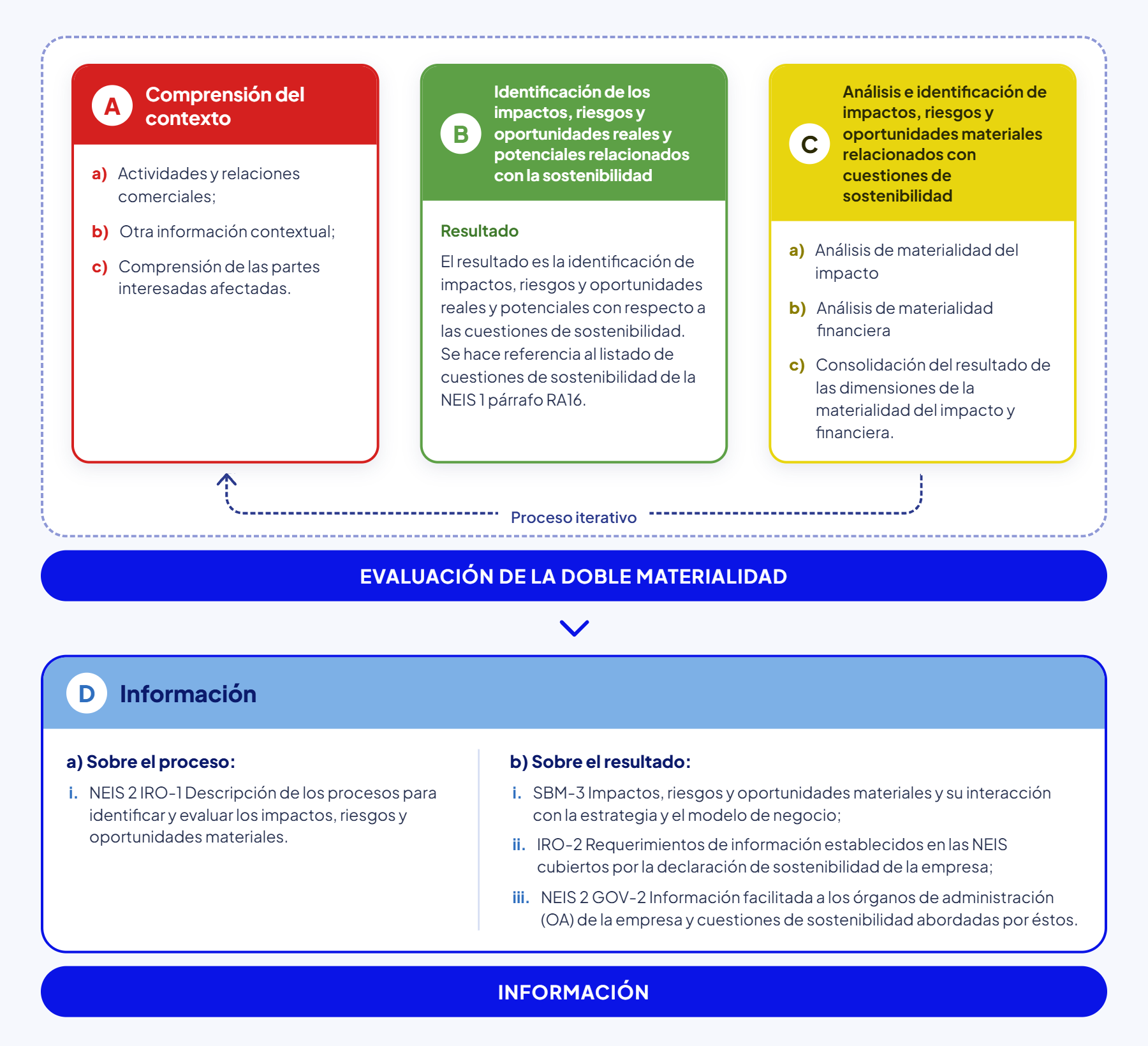
As part of this work, we developed an initial double materiality assessment tool, enabling companies to assess the materiality of air pollutant emissions. Building on these results, we developed tools and resources for data collection, standardisation and reporting, designed to facilitate compliance with the requirements of ESRS E2 – Pollution, within the framework of the CSRD.
The project also contributed to generating up-to-date knowledge on pollution through the Environmental Monitoring Report, helping organisations understand the latest developments and their implications.
Not sure where to start?
Tell us about your case and we’ll help you find the solution that fits best.
