
2026
Garbiker’s carbon footprint and emissions reduction plan
We calculated and analysed Garbiker’s corporate carbon footprint for 2021 and 2025 and developed an emissions reduction plan with a 2030 target horizon.
The project, aligned with UNE-EN ISO 14064-1:2019 and the criteria applicable to MITECO’s Carbon Footprint Registry, enabled us to assess changes in emissions over time and account for the specific characteristics of waste management and treatment activities.

Identified need
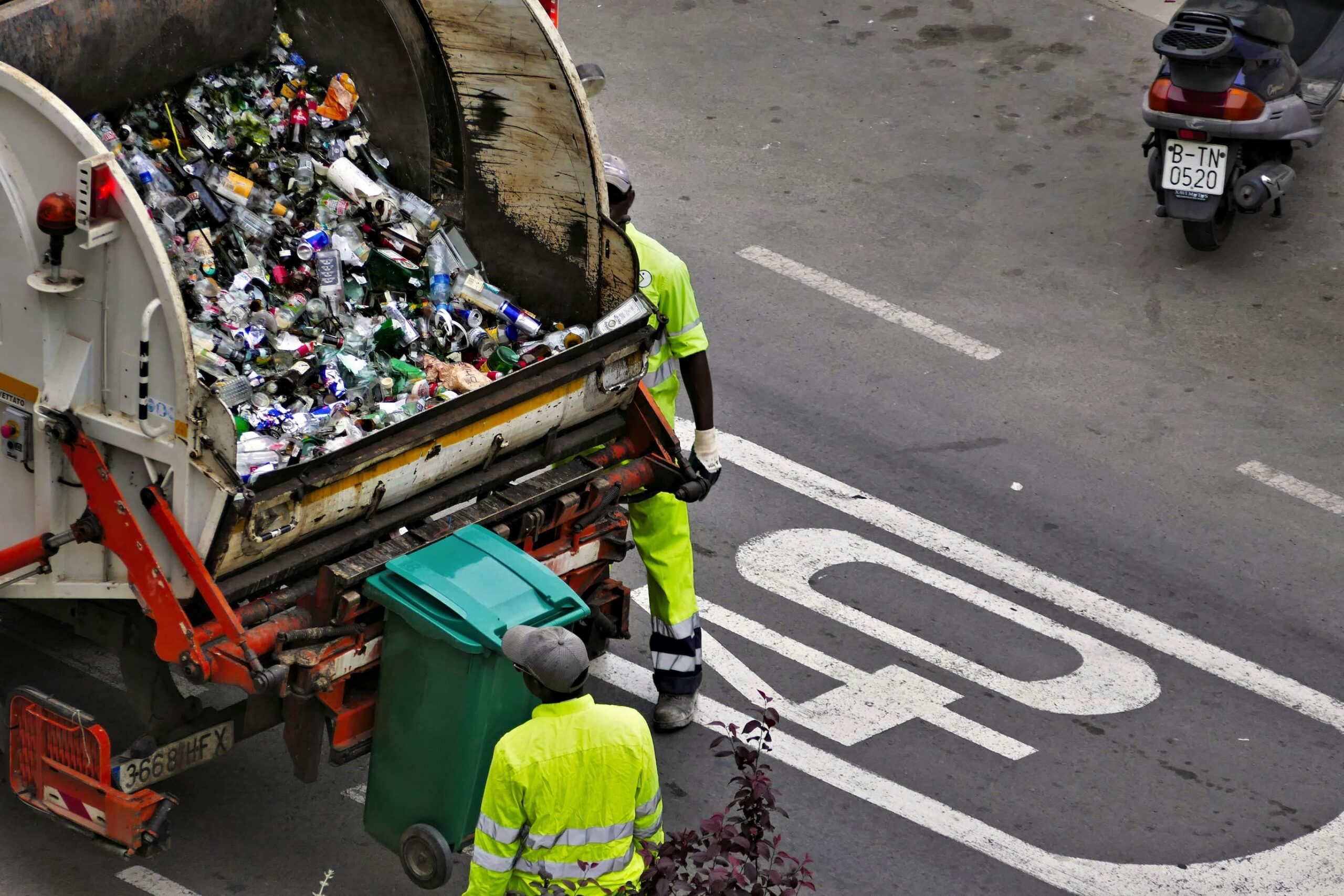
Garbiker’s activity presents a significant particularity from a climate perspective: a substantial share of its emissions is directly associated with waste treatment processes, particularly methane generation in landfills.
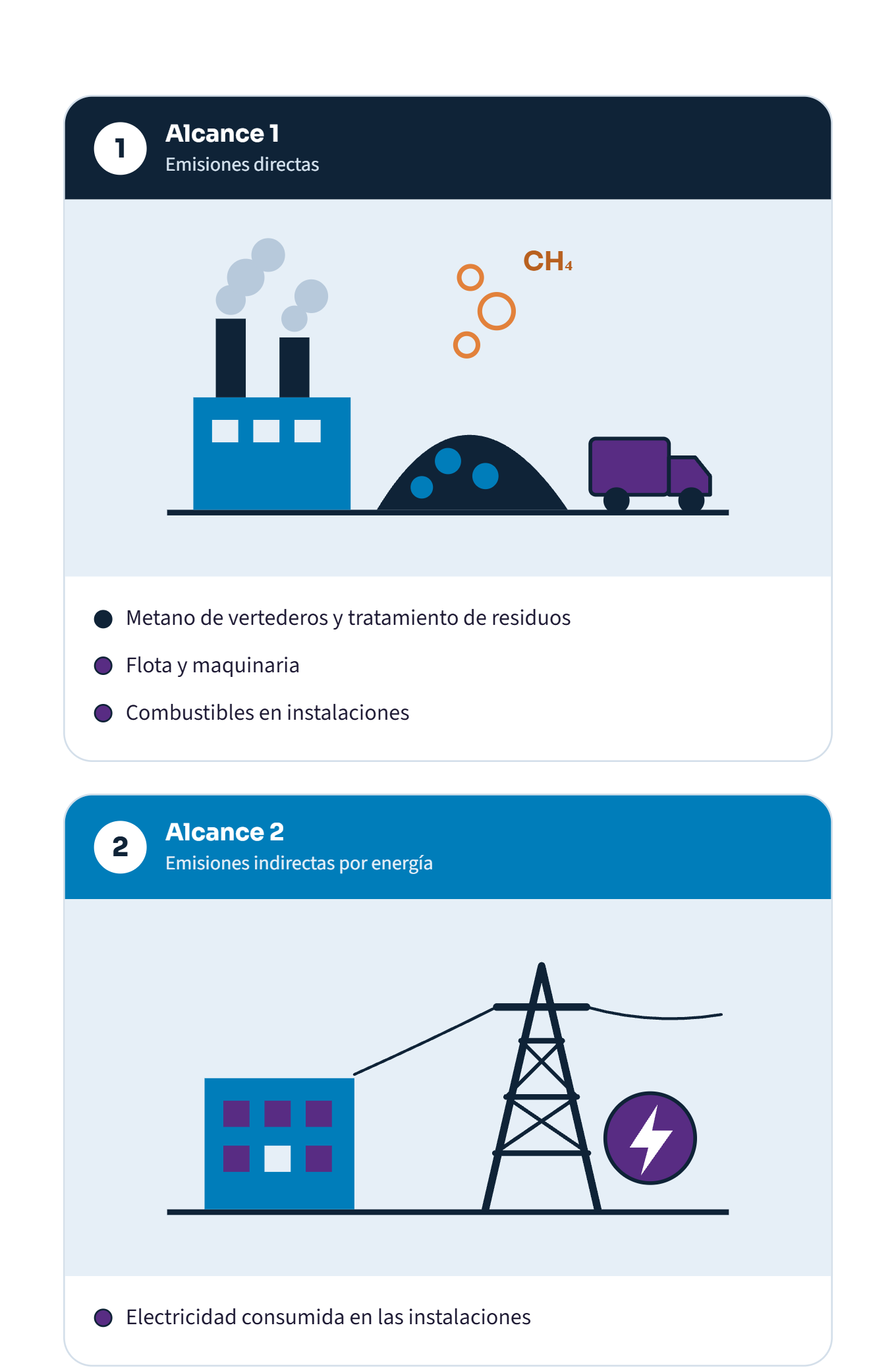
Therefore, in addition to updating the carbon footprint against the 2021 base year, it was necessary to develop a sufficiently representative and traceable inventory that could distinguish between emissions arising from Garbiker’s own operations and those linked to waste treatment processes.
This distinction was essential to correctly interpret the evolution of the carbon footprint, identify the emission sources over which the organisation has the greatest capacity to act, and establish reduction targets and measures consistent with the nature of its activities.
Client profile
Garbiker is a publicly owned company wholly owned by the Provincial Council of Biscay and attached to its Department of Natural Environment and Agriculture. It carries out activities related to waste management and treatment in Biscay, operating various facilities and processes associated with waste collection, treatment and recovery.
The nature of its activities makes it particularly relevant to integrate climate management with the continuous improvement of the waste management system and the transition towards more circular models.
Methodological approach and work process
At Baisma, we organised and analysed the information required to calculate Garbiker’s corporate carbon footprint for 2021 and 2025, covering the organisation’s main consumption sources and activities.
We carried out the calculation in accordance with UNE-EN ISO 14064-1:2019, ensuring the consistency and traceability of the data used.
Based on the results obtained, we established the foundations for an emissions reduction plan with a 2030 target horizon, identifying the main areas of action to progressively improve the organisation’s climate performance.
Results and value generated
The project provided an updated overview of the evolution of Garbiker’s carbon footprint between 2021 and 2025, identifying a reduction in both total emissions and emissions intensity associated with waste management.
The analysis made it possible to differentiate the main emission sources, highlighting those linked to waste treatment compared with those associated with direct operations, including fleet, machinery, facilities and energy consumption. On this basis, a medium-term improvement pathway was defined, focused on reducing operational emissions through measures related to energy efficiency, equipment electrification, reduced use of fossil fuels, increased use of renewable electricity and improved data quality.
The project enabled Garbiker to move from a one-off carbon footprint calculation towards a climate management framework with a baseline, indicators, targets and reduction measures adapted to the waste sector.
Not sure where to start?
Tell us about your case and we’ll help you find the solution that fits best.
